Short, surreal walking simulator for meditative exploration
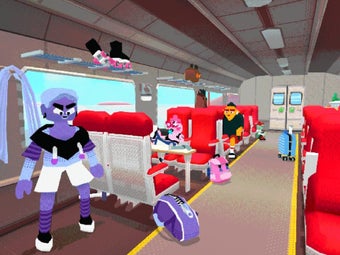
Trip, from Bastinus Rex, is an experimental atmospheric adventure that guides players through surreal, abstract landscapes in a walking simulator. It focuses on brief, sensory exploration rather than puzzles or combat, using a minimalist interface to direct attention to environmental storytelling and reactive audio that shifts with player movement. The experience pairs abstract low-poly visuals, surreal transitions, and sound design that responds to progress. It suits players who enjoy short, art-focused indie titles seeking a contemplative, low-pressure session of sensory exploration.
What kind of game is Trip?
The game is an experimental, atmospheric walking simulator built around exploration and sensory focus rather than traditional objectives. Players move through a sequence of abstract, low-poly environments to follow a concise narrative thread, with environmental storytelling and surreal transitions providing context. The core loop is simple walking and observation, so the experience privileges mood and interpretation over mechanical goals or resource management.
Does it have multiplayer or complex systems?
The design favors a solitary, single-session experience and contains no combat or conventional puzzles, which keeps interaction minimal. Controls and the interface are intentionally reduced to maintain focus, so players encounter minimal input complexity rather than layered systems. That choice supports a calm session of exploration and makes the game accessible to players who prefer low-pressure interaction instead of challenge-driven mechanics.
What does the game look and sound like?
Visuals use an abstract, low-poly palette with deliberate, surreal transitions that shift the environment as the player progresses. Audio is a central element: the experimental sound design reacts to the player's journey and reinforces atmospheric beats, creating moments where movement and sound interplay. The combined aesthetic and audio direction aims for evocative encounters rather than photorealism or dense UI information.
Is it easy to start and worth replaying?
Onboarding is straightforward because controls are minimal and the interface stays out of the way, so new players reach the core experience quickly. Replay value comes from aesthetic variation and the brief length, which encourages repeated short visits to notice different transitions and sound interactions. Players seeking deep progression systems or extended campaign-style play should expect a focused, compact session model.
Who should play it and where it fits
The game is a fitting pick for listeners of experimental interactive art, supported by generally positive reception among the indie community and the developer’s focus on unconventional projects. It appeals to players who enjoy reflective, art-driven sessions rather than extended campaigns. Note that the release targets 64-bit macOS and Windows systems, which restricts availability on other devices.
Laws concerning the use of this software vary from country to country. We do not encourage or condone the use of this program if it is in violation of these laws. Softonic may receive a referral fee if you click or buy any of the products featured here.